Was there a time when America was truly “great”? Memory may take some of us back to the prosperous post-war years of the 1950s. What is conveniently forgotten, however, is the mortal fear of the spread of world Communism and the Cold War threat of nuclear annihilation that gripped our nation during this period. In fact, it precipitated a political crisis that was perhaps comparable to what we are experiencing in 2016.
What H. Richard Niebuhr (1894-1962) saw at the core of this “fear” on the part of many Americans was not so much the evils of a godless enemy, but the disruption and decline of their own beloved culture. As a result, they were tending to lose sight of the universal values on which their nation was founded and to confuse allegiance to the Christian faith with preserving the “American way of life.”
In the wake of this same crisis, Niebuhr called upon the church to declare its “independence” by asserting that “under God” was an all- important feature of America’s recently-revised Pledge of Allegiance. “Divine sovereignty” was the theological truth to which it pointed, and when Americans viewed their democracy from this standpoint, responsible citizenship on the part of everyone could only mean rejection of the assumption on the part of any “human authority—whether priest, preacher, magistrate, people, or popular majority—of the right to speak in the name of the absolute.” Furthermore, it clearly implied that “representative government” involved “selection by the people of [candidates] they trusted to be obedient to ultimate principles of right and to be concerned about the welfare, not of constituents only, but of the whole nation—indeed of mankind.”
See The Paradox of Church and World: Selected Writings of H. Richard Niebuhr, Fortress Press, 2015, p. 407-412.
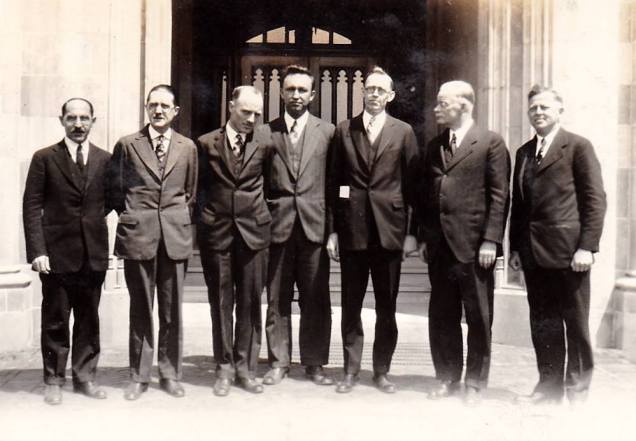
H.R. Niebuhr is third from the left.
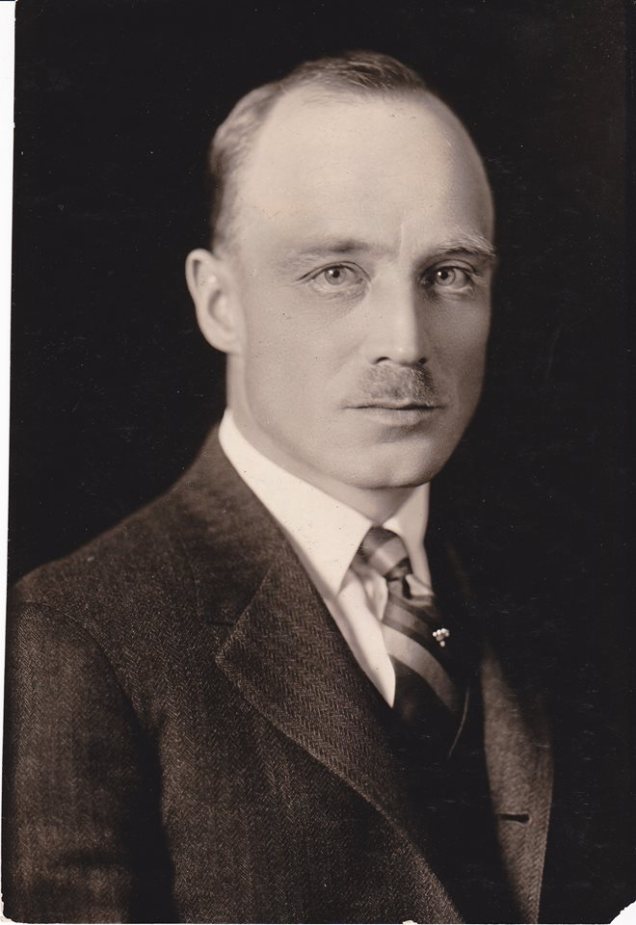
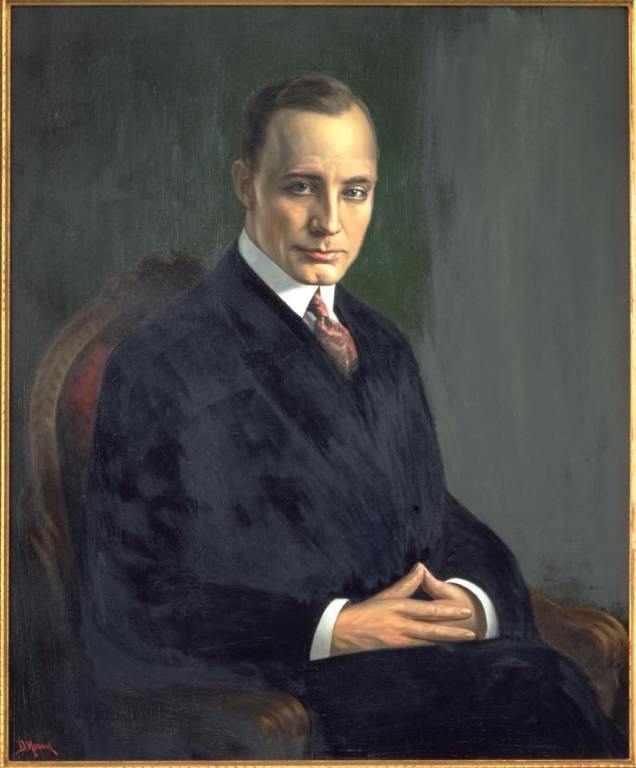
 Jon Diefenthaler